January has a way of making optimism feel obligatory.
New year. Fresh start. Big goals.
But if we’re being honest, many leaders are walking into this year still carrying the weight of the last one.
2025 was rough and exhausting! Whew!
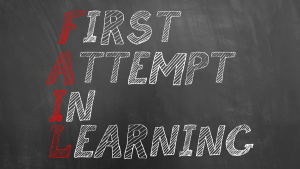
But not in a dramatic, well, very dramatic, headline-making way, but in the quiet, grinding sense. The kind of year where plans shifted, capacity stretched, decisions felt heavier, doubt reared its ugly head, and resilience wasn’t optional, it was survival.
So, the question really shouldn’t be “How do we stay positive?”
The real question we should be asking as leaders is: How do we lead well after a hard year?
And that’s where optimism gets misunderstood.
Optimism Is Not Denial
Optimism in leadership is often mistaken for cheerfulness or blind confidence. But real optimism doesn’t ignore what went wrong; it integrates it.
Purpose-led leaders don’t pretend the last year didn’t happen. They name it, learn from it, and refuse to let it define what comes next.
Optimism says:
That’s not naïve. That’s discipline.
Why Teams Need Optimistic Leadership, Especially Now
After a difficult year, teams aren’t looking for hype. They’re looking for signs.
They’re watching:
Optimism, when practiced well, creates psychological safety. It reassures people that the organization isn’t stuck in reaction mode, that leadership is grounded, present, and intentional.
In other words, optimism restores trust in direction.
Turning a Rough Year into Leadership Wisdom
Hard years expose systems, not just stress.
They show us:
Optimistic leaders don’t rush past these insights. They pause long enough to ask better questions before setting new goals.
Some questions worth asking before charging into the year:
This kind of reflection turns difficulty into discernment.
What Optimism Looks Like in Practice
Leadership optimism shows up less in words and more in decisions.
It looks like:
Optimism says, “We are capable of navigating this, together.”
Leading Forward with Grounded Hope
Here’s the truth many leaders need to hear in January:
You don’t have to apologize for surviving a hard year. But you do owe it to yourself and your people to lead differently because of it.
Optimism doesn’t mean this year will be easy. It means you’ll lead with greater clarity, humility, and intention, regardless.
And that kind of leadership? That’s how momentum is rebuilt. That’s how trust is restored.
That’s how hard years become formative, not defining.
And as we step into this new season, this new year, may optimism not be something we feel, but something we practice, through thoughtful leadership, honest reflection, and aligned action.
Wishing you all a great 2026, one where lessons become wisdom and optimism is practiced with purpose!
Until next time,
Lead with intention. Operate in excellence. And always stay FINE!
Your favorite Chief HR Concierge!